Flood destroys farmlands, crops in three Plateau State communities.
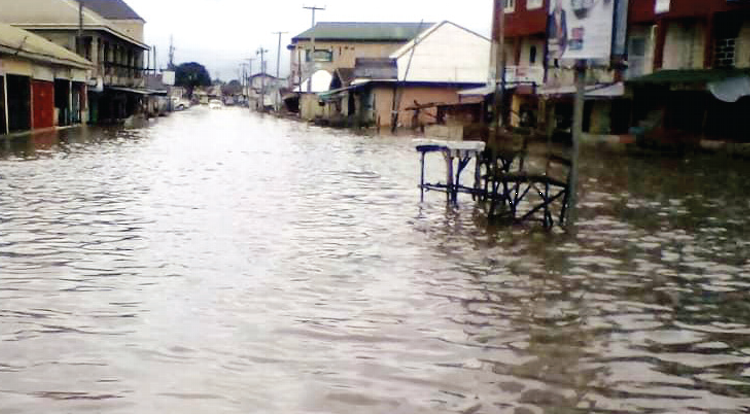
Flood caused by persistent rainfall has destroyed farmlands and crops worth millions of Naira in three communities of Kalong, Doka and Bakin Kogi in the Shendam Local Government Area of Plateau State.
Mr Alhamis Yokden, Information Officer of the Local Council, disclosed this to the News Agency of Nigeria on Monday in Jos.
Yokden told NAN in a telephone interview that the farmlands were totally submerged by floodwater as a result of the heavy rain that fell in the affected areas between Friday night and Saturday morning.
He said that majority of the farmlands affected by the flood were those located within the river banks.
He, however, said no life was lost in the disaster though the river overflowed to some residential areas but did not affect any building.
“Last Saturday farmlands and crops at Doka, Kalong and Bakin Kogi communities of Shendam were destroyed by flood.
“Maize, banana, and rice farms worth millions of Naira were washed away by the flood.
“This is a colossal loss to farmers as individuals, and to the local government and the state.
“Though no life was lost, this will certainly affect government’s revenue and personal income of the farmers,” the information officer said.
(NAN)