The federal government has begun investigation of power projects in Nigerian since 1999, and EFCC has already moved into action to dig up how more than $16bn was spent on power projects in the administration of three former presidents.
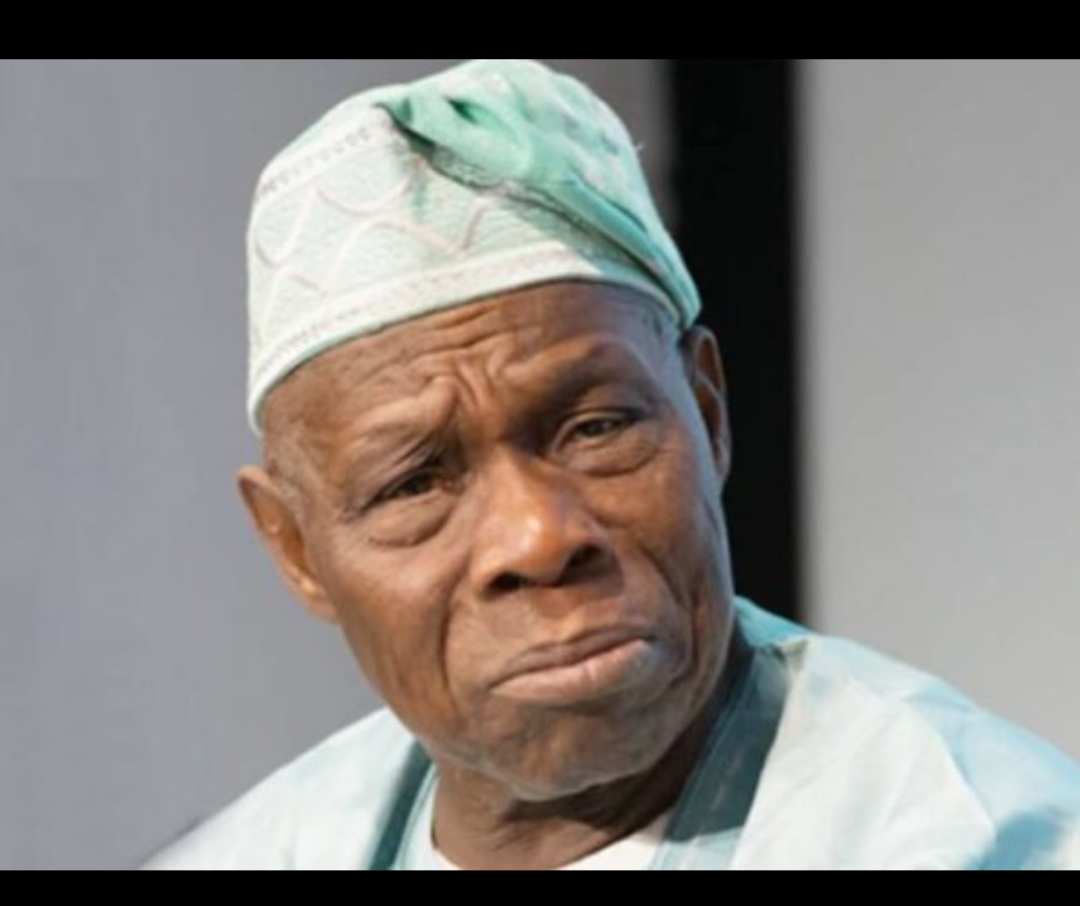
Already under the EFCC searchlight are Olusegun Obasanjo, Umar Musa Yar’ Adua, and Goodluck Jonathan.
President Muhammadu Buhari has always asked why an administration would spent $16bn on electricity, and Nigerians will still be fumbling in darkness.
And Obasanjo would readily point any inquirer to his book–“My Watch–for the answer.
But the EFCC will be looking for relevant answers beyond Obasanjo’s memoir now.
The first group to offer its support, the Socio-Economic Rights and Accountability Project (SERAP), has commended the reported probe by the EFCC.
In a statement signed by the Deputy Director, Kolawole Oluwadare on Sunday, SERAP described the probe as timely and an opportunity for the anti-graft agency to show that former heads of state and other high-ranking public officials are not immune from investigation and prosecution on allegations of grand corruption in Nigeria.
The rights group has done an extensive study into the power problem in Nigeria, and it unearthed, in the report entitled “From Darkness to Darkness, N11tr expended between 1999 till 2015.
SERAP added that prosecuting former heads of state and other high-ranking officials would address the grave travesty that has for many years occurred in the power sector.
“The EFCC should urgently invite anyone suspected to be involved for questioning,’ SERAP said in part in the press release.
“The EFCC has the full support of Nigerians in its efforts to hold high-ranking public officials to account for grand corruption, and if consistently, fairly and diligently pursued, this probe would contribute to ending impunity for corruption, and to mobilizing and encouraging youth civic engagement in the anti-graft fight in the country. SERAP stands ready to work with the EFCC in pursuing all allegations of grand corruption.”
The group noted that former presidents have routinely faced corruption charges in countries like Iceland, Kyrgyzstan, Brazil, Montenegro, South Korea, Pakistan, Zimbabwe, South Africa, Slovakia, Peru, and Mauritius, and the probe by the EFCC would mean this list would grow even further to include Nigeria.